
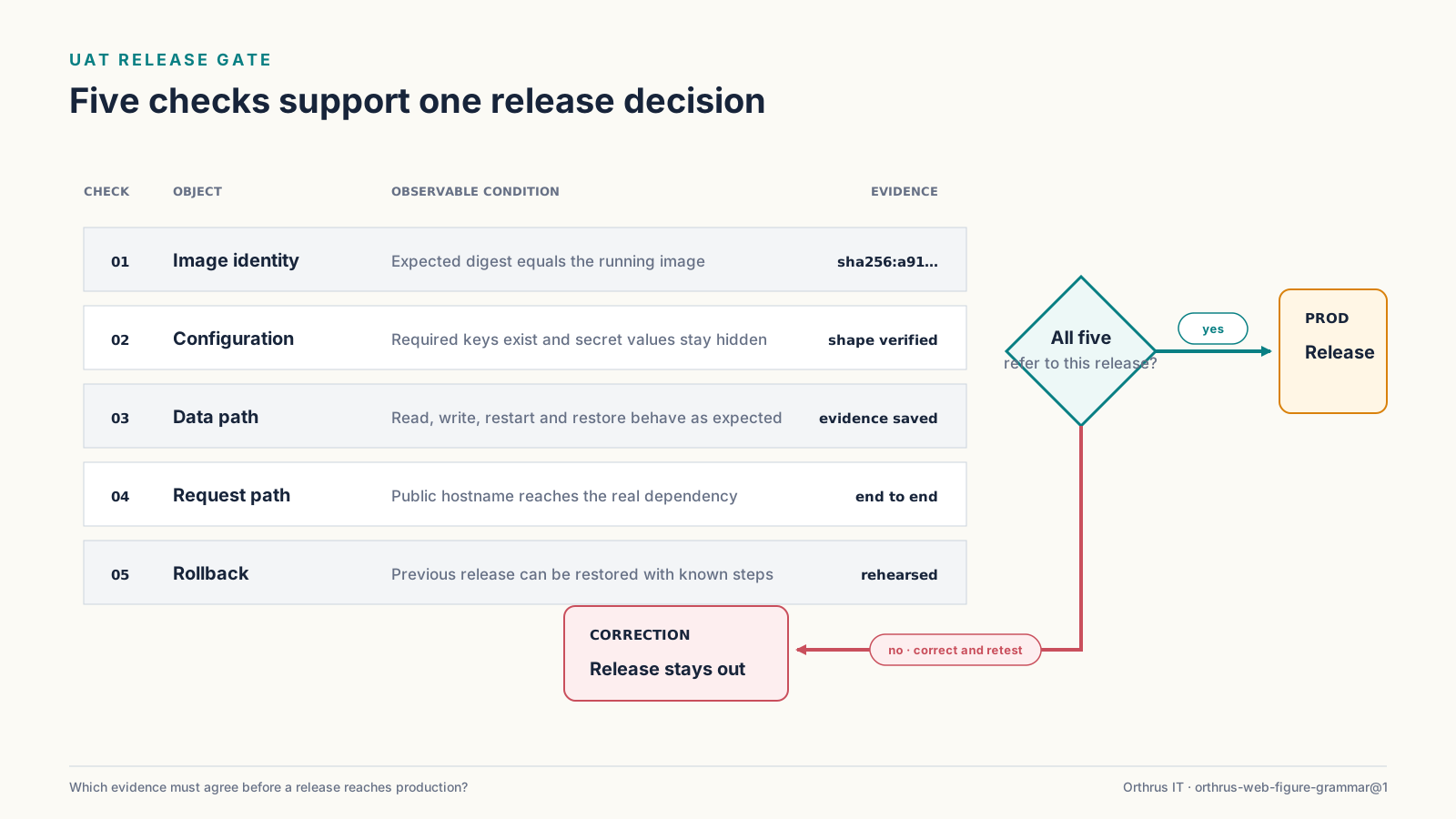
A green build confirms that source code became an image. It says nothing about an environment-specific override, a failed data migration, a broken route or a storage path that disappears after restart.
UAT was turned into a short release gate built around evidence. It follows the same path a real request follows and checks the parts that tend to fail quietly. The gate is small enough to run every time, which matters more than an impressive checklist that people eventually skip.
Confirm the exact image that is running
The first check reads the immutable image reference from the running workload. A deployment can report success while an old environment override still points somewhere else. The release is not accepted until the cluster is running the image that was actually approved.
A behaviour introduced by that release is then checked through the public UAT address. Workload readiness and user-visible correctness are different signals, so both are recorded.
Exercise configuration and data changes
UAT uses the production configuration shape with its own isolated values. When a release includes a migration, the database is backed up first and the migration is observed during startup.
A zero exit code is only the start. The application must read and write the affected data, survive a restart and return the expected content afterwards. This catches migrations that are technically complete but operationally useless.
Follow the complete request path
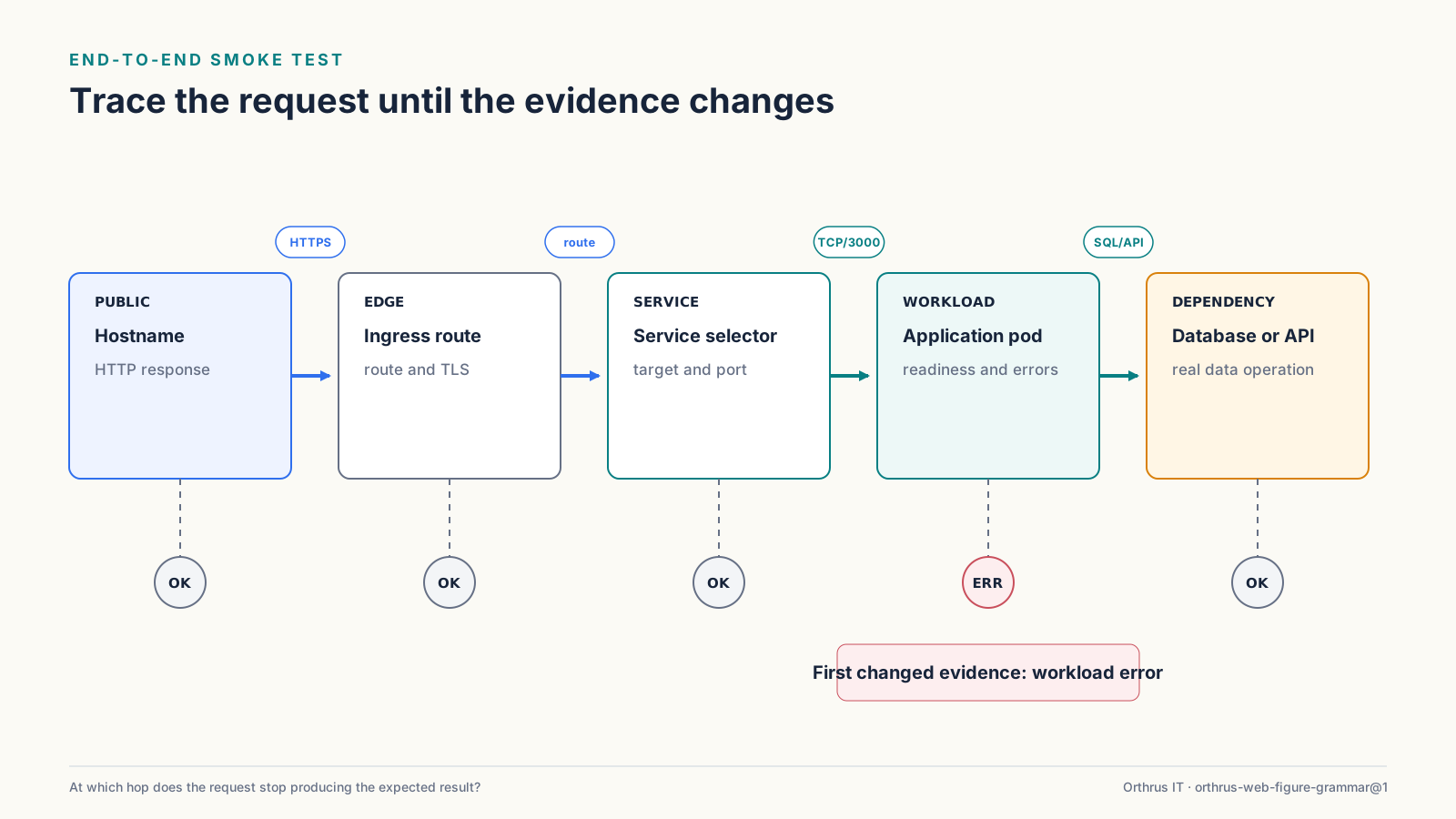
A ready workload can still sit behind a broken service selector, route or edge rule. The test therefore starts at the public endpoint and follows the request through routing, the service, the workload and its data dependency.
Critical pages, health endpoints and state-changing actions receive focused smoke tests. Logs are checked at the same time because some failures leave a clean response in the browser and an ugly trace behind it.
Prepare rollback before promotion
The previous image is identified before production changes. The release notes also state whether the data migration is backward compatible and which recovery sequence applies if it is not.
This turns rollback into a procedure that can be followed under pressure. By the time a release reaches production, its image, configuration, data path and recovery route have already been exercised together.